
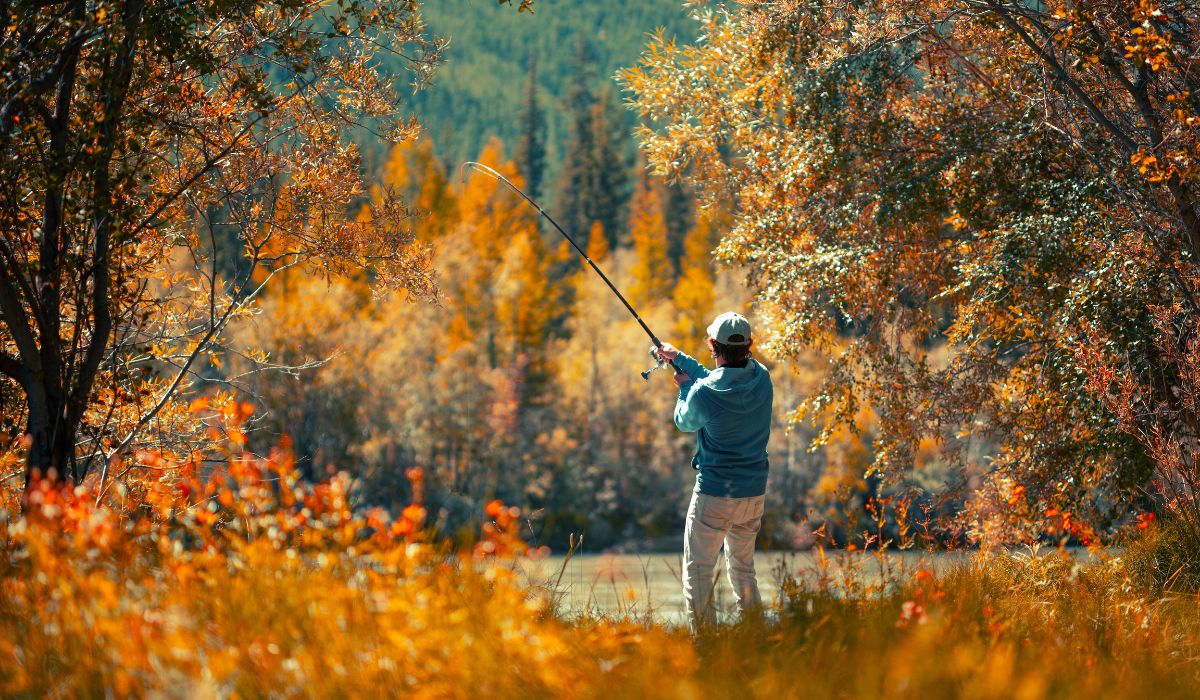
Discover proven fall pond fishing techniques, gear recommendations, and location strategies for catching more fish during autumn fishing trips.
Fall brings crisp air, changing leaves, and some of the best pond fishing opportunities of the year. As temperatures drop and summer crowds disappear, ponds transform into prime fishing destinations where bass, bluegill, and other species become more active and predictable. The cooler weather makes long fishing sessions comfortable, while fish behavior shifts in ways that favor prepared anglers.
Many anglers overlook ponds during fall, focusing instead on larger bodies of water. This oversight creates excellent opportunities for those who understand how to approach these smaller ecosystems effectively. Fall pond fishing offers unique advantages that make it worth adding to your seasonal fishing strategy.
Understanding Fall Pond Fishing
Fall creates ideal conditions for pond fishing that differ significantly from those in summer. As water temperatures drop from summer highs, fish metabolism slows but remains active enough to trigger aggressive feeding behavior. This sweet spot typically occurs when water temperatures range between 55°F and 70°F, creating extended periods of productive fishing.
Cooler air temperatures make spending entire days on the water comfortable without the oppressive heat that drives both fish and anglers to seek shade during summer months. The morning fog will often blanket pond surfaces, creating atmospheric conditions that many fish species prefer for feeding.
Fishing at a pond differs from fishing at a lake in several important ways during the fall. Ponds experience faster temperature changes due to their smaller volume, meaning weather fronts impact fish behavior more quickly and dramatically. These rapid changes often trigger feeding sprees as fish instinctively prepare for winter.
The absence of summer recreational activities like swimming and boating means less pressure on fish populations. Reduced human activity allows fish to establish more predictable patterns, making them easier to locate and target consistently.
Essential Gear for Fall Pond Success
Rod
Rod selection plays a crucial role in fall pond fishing success. Medium-action spinning rods between six and a half and seven feet work well for most pond situations, providing enough backbone to handle larger fish while maintaining sensitivity for detecting subtle bites. Shorter rods offer better accuracy when casting around structures common in ponds.
Reel
Reel choice depends on the target species and preferred techniques. Spinning reels in the 2500 to 3000 size range handle most pond fishing situations effectively. These reels feature smooth drag systems for fighting fish in confined spaces while providing sufficient line capacity.
Line
Line selection requires balancing visibility, strength, and sensitivity. Fluorocarbon lines in 10- to 15-pound test work well for most fall pond applications. The near-invisible properties of fluorocarbon become particularly valuable in clear fall water when fish become more line-shy.
Hook
Hook selection varies based on chosen lures and target species. Wide-gap hooks work well with soft plastics, while treble hooks come standard on most hard baits. Sharp hooks become especially important in cool water when fish may mouth lures more gently.
Tackle
Terminal tackle should include various weights for different presentations. Split-shot weights allow for subtle presentations, while Carolina rig weights help reach deeper areas where fish may hold during temperature transitions.
Lure Selection for Fall Conditions
Crankbaits
Crankbaits excel in fall pond fishing due to their ability to cover water efficiently while triggering reaction strikes. Medium-diving crankbaits that reach four to eight feet work well in most pond situations. Natural colors like shad, crawfish, and bluegill patterns match the forage fish that populate most ponds.
Spinnerbaits
Spinnerbaits prove effective when fish hold around structure or vegetation. The flash and vibration cut through stained water common in the fall, while the safety-pin design helps avoid snags around fallen trees and brush piles. White and chartreuse combinations work well in most water conditions.
Jigs
Jigs offer versatility for targeting fish at various depths and around different structures. Football head jigs work well on hard bottoms, while flipping jigs excel around heavy cover. Pairing jigs with soft plastic trailers adds action and bulk that appeals to feeding fish.
Soft Plastic Worms
Soft plastic worms remain productive throughout fall, particularly when fished slowly around structure. Texas-rigged worms avoid snags while providing a natural presentation. Darker colors often outperform bright options as water temperatures drop.
Topwater Lures
Topwater lures can produce explosive action during early morning and late evening periods when surface temperatures remain comfortable for fish. Walking-style topwater lures create commotion that draws fish from considerable distances in smaller pond environments.
Effective Fall Fishing Techniques
Varying retrieve speeds throughout the day helps determine fish preferences. Start with moderate retrieves and adjust based on fish response. Cool water often requires slower presentations, but aggressive fish may respond better to faster-moving lures.
Targeting structure becomes increasingly important as fish seek shelter and ambush points. Fallen trees, brush piles, and rock formations concentrate fish during fall transitions. Cast lures close to these features and work them slowly through likely holding spots.
Bottom-contact techniques work well when fish move to deeper areas in search of stable temperatures. Dragging jigs and Carolina-rigged soft plastics along the bottom triggers strikes from lethargic fish that may ignore faster-moving presentations.
Vertical presentations prove effective when fish hold tight to structure or suspend over deeper areas. Dropping jigs or soft plastics directly into cover often produces strikes when horizontal presentations fail.
Prime Location Strategies
Weed lines provide excellent starting points for fall pond fishing. As vegetation begins to die back, fish concentrate along the remaining green growth, where oxygen levels remain higher and forage remains available. Focus on areas where healthy vegetation meets open water.
Drop-offs and channel edges create temperature breaks that attract fish during fall transitions. These areas often hold the most stable water temperatures, making them magnets for various species. Use depth finders or a probe with lures to locate these underwater features.
Sunny banks warm faster during cool fall days, attracting baitfish and the predators that feed on them. South-facing shores typically receive the most sunlight and often produce the best action during midday periods when surface temperatures rise.
Inlet areas where streams or runoff enter ponds often concentrate fish during the fall. These areas bring fresh oxygen and nutrients while creating current breaks that fish use as ambush points.
Shallow flats adjacent to deeper water provide feeding areas where fish can quickly retreat to comfortable depths. These transition zones often produce consistent action throughout the day.
Safety Considerations
Sun protection remains important during fall fishing, even with cooler temperatures. UV rays reflect off water surfaces and can cause burns even on cloudy days. Sunglasses protect eyes from glare while improving underwater visibility.
Staying hydrated becomes easy to overlook in cool weather, but physical activity combined with dry fall air can lead to dehydration. Bring adequate water supplies for extended fishing sessions.
Weather awareness takes on added importance during the fall when conditions can change rapidly. Monitor forecasts for sudden temperature drops or storms that may create unsafe conditions.
Informing others of fishing plans provides safety backup when fishing alone in remote pond locations. Share departure times, expected return, and specific pond locations with reliable contacts.
Making the Most of Fall Fishing Opportunities
Fall pond fishing offers unique opportunities for anglers willing to adapt their approaches to seasonal conditions. The combination of active fish, comfortable weather, and reduced pressure creates ideal circumstances for memorable fishing experiences.
The seasonal transition provides excellent opportunities to develop skills and techniques that work throughout the year. Lessons learned during fall pond fishing translate to other seasons and fishing situations, making time spent on ponds during autumn a valuable investment in overall angling success.


Leave a Reply