
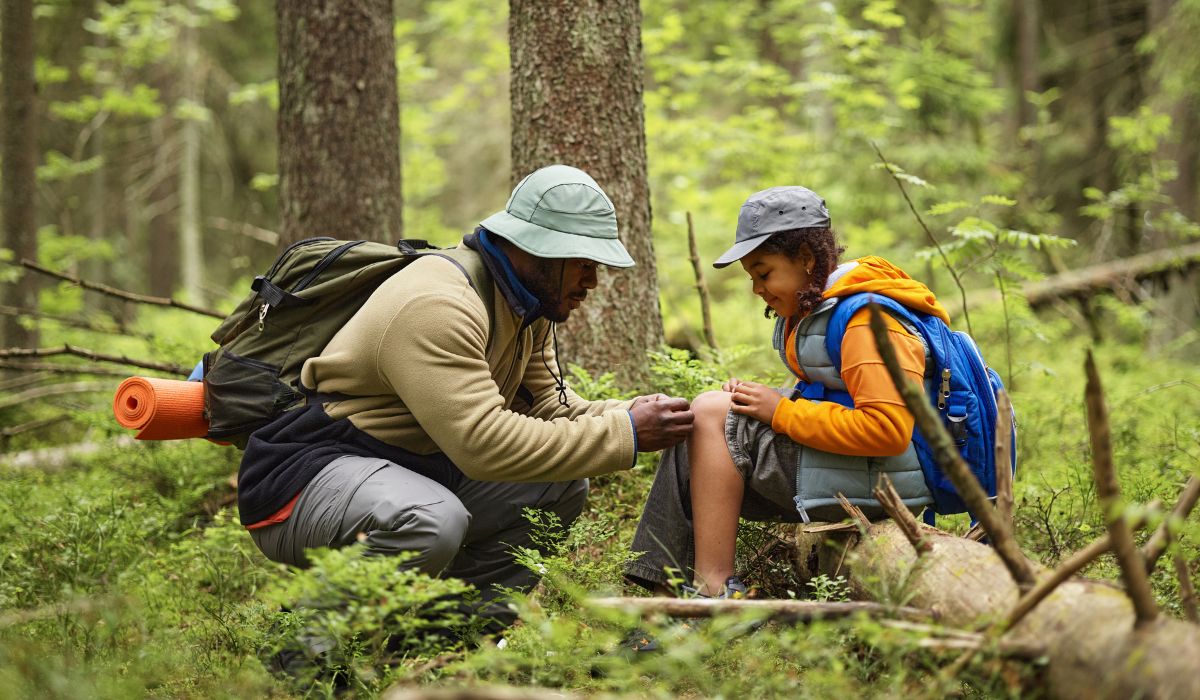
Prevent painful mishaps and keep your outdoor adventures safe with this comprehensive guide to wilderness injury prevention and preparedness.
Every year, thousands of outdoor enthusiasts head into the Carolina wilderness for camping adventures. The mountains of North Carolina offer incredible opportunities for hiking, fishing, and connecting with nature. However, the same rugged terrain that makes camping exciting can also present serious risks.
Statistics from the National Park Service show that search-and-rescue operations respond to over 3,000 incidents annually across all national parks. Many of these emergencies stem from preventable injuries easily avoided with proper preparation and knowledge. Understanding what common camping injuries occur most frequently can help you pack the appropriate supplies and develop skills to handle emergencies.
Disclaimer: I am not a medical expert. Please use this guide for educational purposes only.
Cuts and Lacerations
Sharp camping tools create the highest risk of cuts during outdoor trips. Knives used for food preparation, hatchets for splitting wood, and multi-tools for various tasks can all cause severe lacerations when mishandled or in the event of an accident. Some prevention tips include:
- Keep all cutting tools sharp (dull blades require more pressure and slip more easily)
- Cut away from your body and keep fingers clear of blade paths
- Use proper cutting surfaces, like cutting boards, rather than unstable surfaces
- Store knives and tools in protective sheaths when not in use
- Maintain good lighting when using sharp tools
Treatment Basics
Medical experts recommend cleaning wounds immediately with clean water to remove debris and apply direct pressure with a clean cloth to control bleeding. For deep cuts that won’t stop bleeding or show signs of infection, seek medical attention promptly. Pack sterile gauze, antiseptic wipes, and medical tape to handle minor lacerations in the field.
Burns from Campfires and Cooking Equipment
Campfire-related burns are among the most common camping injuries that send people to emergency rooms. Hot cooking surfaces, boiling water, and campfire embers can cause painful burns that require immediate attention.
High-Risk Situations:
- Reaching over or too close to campfires
- Handling hot cookware without proper protection
- Adding fuel to existing fires
- Walking barefoot near fire rings
- Windy conditions that blow sparks unexpectedly
Prevention Measures:
- Maintain a safe distance from fires and use long-handled tools for cooking
- Wear closed-toe shoes around camp
- Keep a bucket of water or sand nearby for emergencies
- Establish clear boundaries around fire areas, especially when children are present
- Use proper fire-starting materials, rather than accelerants
For minor burns, medical experts suggest immediately cooling the affected area with clean, cold water for 10-15 minutes. Cover with a sterile, non-stick bandage, and avoid applying ice directly to the burns, as this can cause additional tissue damage.
Insect Bites and Stings
North Carolina’s diverse ecosystems support numerous biting and stinging insects. Mosquitoes, ticks, wasps, and spiders can cause reactions ranging from minor irritation to serious allergic responses requiring emergency treatment.
High-Risk Areas:
- Near standing water where mosquitoes breed
- Heavily wooded areas with high tick populations
- Around flowering plants that attract bees and wasps
- Under logs, rocks, and in dark spaces where spiders hide
Protection Strategies:
- Use EPA-registered insect repellents containing DEET or picaridin
- Wear long pants and shirts during peak insect activity times
- Check for ticks regularly, especially after hiking through tall grass
- Shake out clothing and gear before use
- Set up camp away from stagnant water when possible
Per the CDC, remove ticks promptly using fine-tipped tweezers, grasping close to the skin and pulling straight out. Clean the bite area with an antiseptic and monitor for signs of Lyme disease or Rocky Mountain spotted fever, both of which are present in North Carolina.
Dehydration and Heat-Related Illnesses
Hot, humid summers in the Carolinas create perfect conditions for heat exhaustion and dehydration. These conditions develop gradually, making them easy to overlook until symptoms become severe.
Warning Signs, according to the Cleveland Clinic:
- Excessive thirst and dry mouth
- Headaches and dizziness
- Fatigue and weakness
- Decreased urination or dark-colored urine
- Nausea and loss of appetite
Prevention Tactics:
- Drink water regularly, even when you don’t feel thirsty
- Consume electrolyte-replacement drinks during extended activities
- Take frequent breaks in the shade during hot weather
- Plan strenuous activities for cooler parts of the day
- Wear lightweight, breathable clothing in light colors
Treatment involves moving to shade, loosening clothing, and drinking cool fluids slowly. Heat stroke represents a medical emergency requiring immediate professional treatment.
Food Poisoning and Gastrointestinal Issues
Improper food storage and preparation in camping conditions frequently lead to digestive problems. Limited refrigeration, contaminated water sources, and inadequate cooking facilities increase risks.
Risk Factors:
- Insufficient cooking temperatures for meat and eggs
- Cross-contamination between raw and cooked foods
- Leaving perishable foods at unsafe temperatures
- Using untreated water for drinking and cooking
- Poor hand hygiene during food preparation
Safe Practices:
- Pack foods in well-insulated coolers with plenty of ice
- Use a food thermometer to verify safe cooking temperatures
- Wash your hands frequently with soap and clean water
- Separate raw and cooked foods using different cutting boards
- Filter or purify water from natural sources before consumption
Treating mild food poisoning involves staying hydrated and resting. Severe symptoms, including persistent vomiting, high fever, or signs of dehydration, require medical attention.
Hypothermia and Cold Exposure
Cold nights in the North Carolina mountains can catch unprepared campers off guard, especially during fall and early spring seasons. Wet conditions combined with dropping temperatures create dangerous situations quickly.
Body temperature regulation becomes difficult when core temperature drops below normal levels. According to the Mayo Clinic, early symptoms include shivering, confusion, and loss of coordination. Advanced hypothermia can be life-threatening without proper treatment. Here are some prevention strategies to practice:
- Pack appropriate sleeping gear rated for expected temperatures
- Wear moisture-wicking base layers and insulating mid-layers
- Keep spare dry clothing in waterproof containers
- Consume high-calorie foods to maintain energy for heat production
- Set up camp in protected areas away from wind exposure
Building Your Emergency Preparedness Kit
Every camping trip requires a comprehensive first-aid kit tailored to the group size, trip duration, and planned activities. Basic supplies should include bandages, antiseptic wipes, pain relievers, and emergency medications for known conditions.
Consider adding specialized items based on your destination and activities. Trips to areas with high tick populations require tick-removal tools and antiseptics. Rocky terrain calls for extra bandages and elastic wraps for potential sprains. Extended backcountry trips may require prescription medications and emergency communication devices.
Research local emergency services and evacuation procedures before departing, and know the locations of nearest hospitals and urgent care facilities. Lastly, share detailed trip plans with reliable contacts who can alert authorities if you fail to return as scheduled.


Leave a Reply