
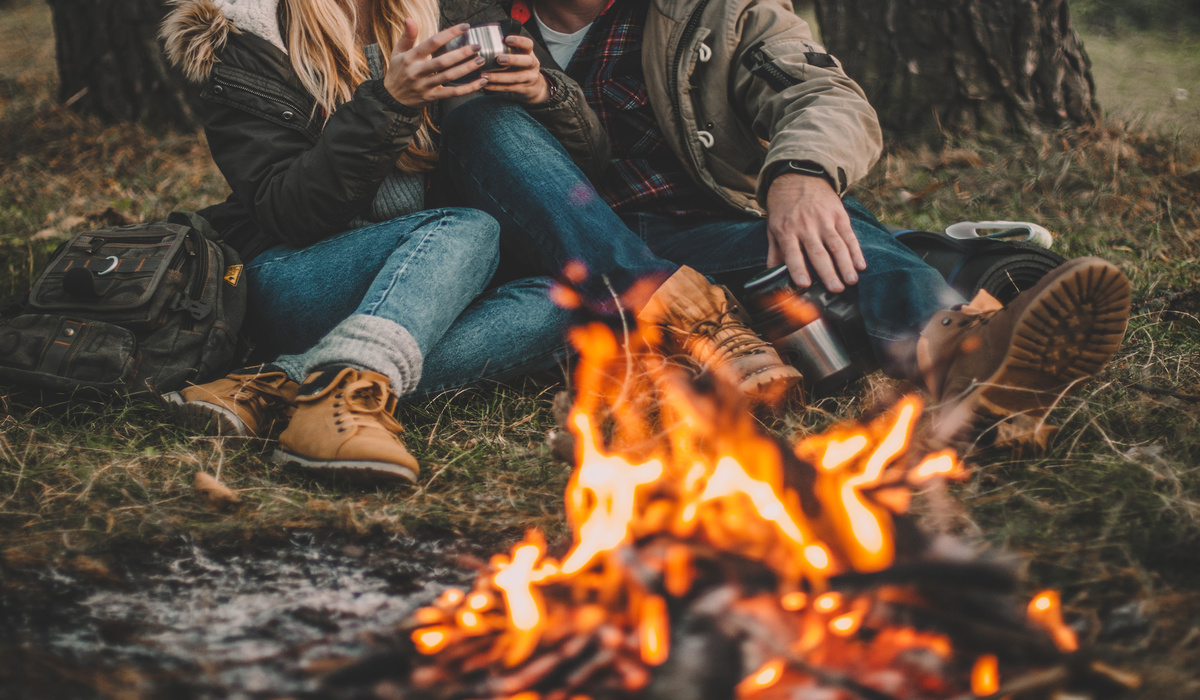
The Carolinas are home to some of the most beautiful wilderness in the country, but these vast stretches of forest can turn dangerous in an instant for thousands of people with a wildfire. Camping in the Carolinas offers a chance to connect with stunning natural landscapes, from the Blue Ridge Mountains to the coastal plains. However, this privilege comes with a responsibility to protect these environments.
Understanding and practicing fire safety is not just a suggestion; it’s a critical part of ensuring that our forests remain for future generations to enjoy. In this guide to Carolina fire safety, we’ll explain what you need to know when camping, from safe campfire setup to local regulations and more.
Understanding Fire Risks in the Carolinas
The unique geography of North and South Carolina presents specific fire hazards that every camper must know. The region’s dense forests, which include highly flammable pine trees and dry underbrush, can quickly turn a small spark into a dangerous blaze. During dry spells, fallen leaves and pine needles create a tinder-dry carpet on the forest floor, acting as the perfect fuel for a wildfire.
Fire risk in the Carolinas also varies significantly with the seasons. Summers can bring long periods of drought, making the landscape particularly vulnerable to fire. Autumn, while scenic, introduces another layer of risk with strong winds that can carry embers long distances, starting new fires far from their origin. Even in spring, changing weather patterns can create unexpected dry, windy conditions.
Essential Fire Safety Tips for Camping
A campfire can be the heart of a campsite, providing warmth, light, and a place for gathering. However, managing it safely requires attention to detail at every stage, from setup to extinguishment.
Choosing the Right Location
Your campfire’s location is your first and most important decision. Always use existing fire rings or pits when they are available at campsites. Park authorities have designated these as safe spots for fires.
If you must build a fire in a more remote area, select a site that is at least 15 feet away from any tents, trees, shrubs, or other flammable materials. Avoid areas with low-hanging branches or dense, dry grass. Look for a spot on bare soil or rock, far from the base of a hill, as fire can travel uphill rapidly.
Safe Campfire Setup
After choosing a safe location for your campfire, you must prepare the area correctly. If no fire ring is present, clear a circle at least 10 feet in diameter down to the bare soil. This removes all flammable materials like grass, leaves, and twigs that could catch a spark.
Dig a small pit in the center of this circle, about one foot deep. This pit will help contain the fire and its embers. Finally, create a ring of rocks around the pit to act as an additional barrier against escaping sparks.
Building and Maintaining Your Fire
When building your fire, use only appropriate materials. Start with a small amount of tinder, such as dry grass or cotton balls, and add small, dry twigs (kindling) to get the flame going. Gradually add larger pieces of dry, dead wood found on the ground. Never use accelerants like gasoline or lighter fluid, as they can cause the fire to flare up uncontrollably. Keep your fire manageable, only large enough for cooking and warmth.
Never leave your fire unattended, even for a minute. A sudden gust of wind can send embers flying into nearby vegetation, starting a wildfire in seconds. Always have at least one person responsible for watching the fire. Always keep a bucket of water and a shovel nearby to extinguish it quickly if it starts to get out of control.
Extinguishing Your Fire Completely
Before leaving your campsite or going to bed, you must confirm the fire is completely out. This process requires more than just a quick splash of water. First, pour a large amount of water over the entire fire, drowning all the embers. Listen for a hissing sound and continue adding water until the hissing stops.
Next, use your shovel to stir the ashes and embers thoroughly, scraping the bottom of the pit to uncover any hidden hot spots. Pour more water over the mixture, wetting everything. Finally, carefully feel the area with the back of your hand to check for any remaining heat. If it is cool to the touch, it is safe to leave.
Gear and Equipment for Fire Safety
Having the right tools on hand is essential for managing a campfire safely and responding to an emergency. A portable, rated fire extinguisher is a wise investment for any serious camper. Verify you know how to use it by reading the instructions before you need it.
In addition to an extinguisher, always carry a sturdy shovel for clearing fire pits and managing embers, along with a water container or bucket that can hold several gallons. Wearing clothing made from fire-resistant materials, such as wool or tightly woven cotton, can also offer a layer of protection against stray sparks.
Local Regulations and Guidelines
Another thing that campers need to know about Carolina fire safety when camping is the local regulations and guidelines. Fire regulations can differ between North and South Carolina, and even between different parks and national forests. Before you go camping, you must familiarize yourself with the specific rules for your destination.
Many areas have burn bans in effect during periods of high fire risk, which forbid open flames of any kind. These bans are not optional; they are legal requirements to prevent wildfires. Familiarize yourself with the National Fire Danger Rating System to understand the wildfire danger in the area you’ll be camping in. Stay informed by checking the websites of the North Carolina Forest Service or the South Carolina Forestry Commission, as well as the specific park or forest you plan to visit.
Emergency Procedures
Even with the best precautions, emergencies can happen. If your campfire escapes its ring or a wildfire approaches, your priority is your safety. Do not attempt to fight a large or rapidly spreading fire yourself. Evacuate the area immediately and call 911 as soon as you reach a safe location with cell service.
In the unfortunate event of a burn injury, it is important to know basic first aid. For minor burns, cool the affected area with cool (not cold) water for several minutes, then cover it with a sterile, non-adhesive bandage. Do not apply ice, butter, or ointments, as these can cause more damage.
Camp Responsibly, Protect the Carolinas
Enjoying the natural beauty of the Carolinas through camping is a rewarding experience, but it carries a significant responsibility. By understanding the risks, following safety protocols, and preparing for emergencies, you can safeguard your campfire and yourself. Responsible camping protects the environment and the lives of fellow outdoor enthusiasts and Carolinian communities. Share this knowledge, and let’s work together to keep the Carolinas beautiful and safe.


Leave a Reply