
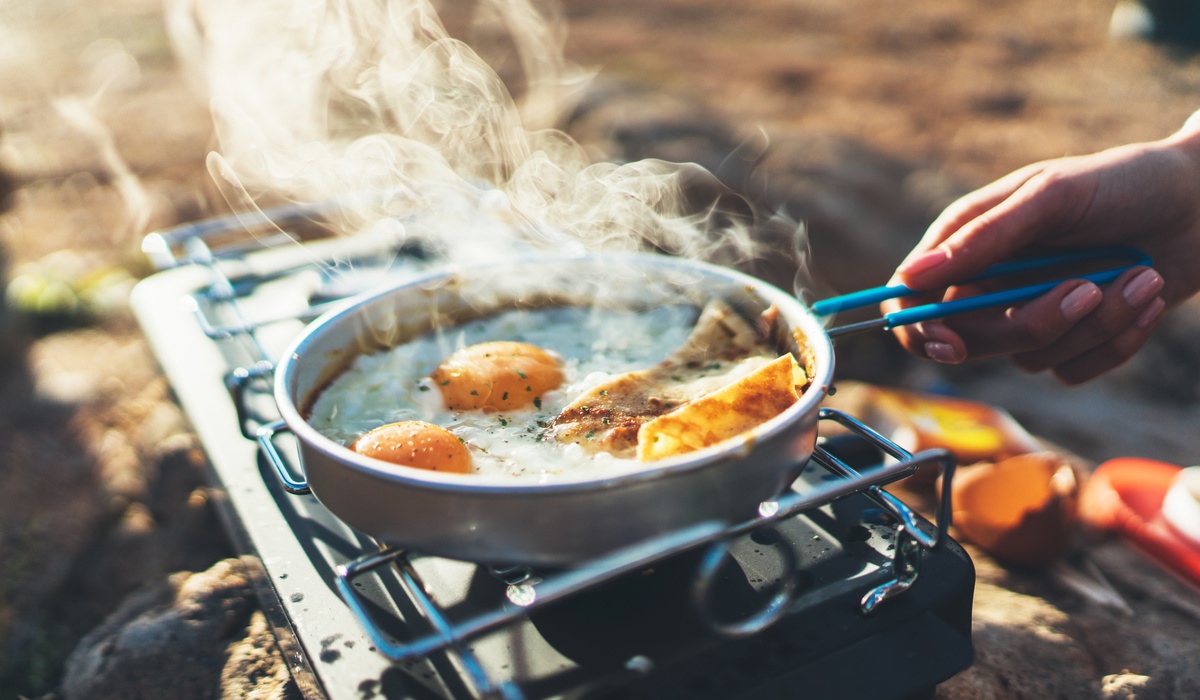
If you think camping food begins and ends with hot dogs on a stick, you are missing out on one of the greatest joys of outdoor adventure. There is something fundamentally satisfying about preparing a meal in the open air, surrounded by the sounds of the forest and the scent of pine. The quality of your meals can make or break your trip. A good meal restores your energy after a long hike and brings everyone together around the fire.
However, cooking outside your kitchen comfort zone requires planning and a different set of skills. You don’t have the luxury of a temperature-controlled oven or endless counter space. Instead, you have to manage wind, fluctuating heat sources, and limited cooler space. The good news is that with a bit of preparation and the proper techniques, you can eat just as well at a campsite as you do at home.
Planning Your Menu for Success
The foundation of any successful camping trip is a solid meal plan. Spontaneity is great for hiking trails, but it rarely works well for dinner when you are miles from the nearest grocery store.
Start by mapping out every meal you will need, from the moment you leave your driveway until you return. Consider the activities you have planned. If you are hiking Crowders Mountain all day, you won’t want to return to a campsite and start a three-hour cooking project. On busy days, plan meals that come together quickly, or prepare them ahead of time.
Prep work is your best friend when it comes to camping cooking. Chop vegetables, marinate meats, and measure out spice blends in the comfort of your home kitchen before you pack up. Storing ingredients in resealable bags or reusable containers saves precious space in your cooler and reduces the amount of trash you have to pack out.
For example, if you plan to make omelets for breakfast, crack and whisk the eggs into a bowl beforehand. This simple step eliminates the risk of breaking fragile eggs in transit and makes cooking breakfast a breeze.
Mastering the Campfire
Cooking over an open fire is the quintessential camping experience, but it takes patience to master. The biggest mistake beginners make is trying to cook over a roaring flame. High flames will char the outside of your food while leaving the inside raw and cold.
Instead, you want to cook over a bed of hot, glowing coals. Build your fire early, at least 45 minutes before you plan to start cooking, to allow the wood to burn down into a consistent heat source.
Create different heat zones within your fire ring. Move a pile of hot coals to one side for high-heat searing, and keep a thinner layer on the other side for gentler cooking or keeping food warm. This setup gives you control similar to that of a stove’s burners. If you are cooking directly on a grate, scrub it clean and oil it well before putting any food down to prevent sticking. For more delicate items, cast iron is your best bet to protect against flare-ups and uneven heat.
Essential Camp Kitchen Gear
While you can cook a great meal with just a stick and a fire, having a basic camp kitchen setup makes the process much more enjoyable and expands your menu possibilities.
- Propane Camp Stove: Your reliable backup when rain soaks your firewood or fire restrictions are in effect. A two-burner stove lets you boil water for coffee while flipping pancakes.
- Quality Cooler: Invest in a cooler that can hold ice for several days. Pre-chill the cooler before packing it, and freeze water bottles to serve as ice blocks that you can drink as they melt.
- Cast Iron Skillet: As mentioned, this is essential. It is durable, non-stick if seasoned properly, and provides excellent heat retention.
- Cutting Board and Sharp Knife: A flimsy paper plate won’t cut it as a prep surface. Bring a small, sturdy cutting board and a knife with a sheath for safety.
- Headlamp: Cooking in the dark is difficult and dangerous. A headlamp keeps your hands free to chop and stir while illuminating your workspace.
Delicious and Easy Meal Ideas
Now that you have your gear and techniques sorted, let’s talk about the delicious meals you can cook at your campsite. From breakfast to dinner.
Breakfast
Start your day with energy. Oatmeal is a classic, but you can upgrade it with fresh fruit and nuts. For a heartier option, try a breakfast hash with potatoes, onions, peppers, and sausage. Cook it all in your cast-iron skillet and top it with eggs for a one-pan meal that fuels a morning of exploration.
Lunch
Keep lunch simple. Because tortillas don’t crush as easily as bread, make wraps and fill them with deli meats, hummus, and veggies, or leftover chicken from the night before. If you are at the campsite, skillet-cooked grilled cheese sandwiches are a crowd-pleaser.
Dinner
This meal is your time to shine. Foil packets are a fantastic, low-mess option. Combine potatoes, vegetables, and your protein of choice with seasoning and butter, then place in a foil pouch. Place it on the coals and let it steam to perfection.
If you want something truly special, consider fresh fish. If you enjoy fishing in our local Carolina lakes or rivers, you might catch your dinner. If not, you can bring high-quality seafood, like salmon, with you.
Food Safety in the Outdoors
Food safety is critical when you are miles from a hospital. Therefore, another key tip for cooking meals during a camping trip is to keep raw meat separate from ready-to-eat foods in your cooler to prevent cross-contamination.
Ensure your cooler stays below 40°F by replenishing ice as needed and keeping it out of direct sunlight. Cook meats to their proper internal temperatures—a digital meat thermometer is a small, lightweight tool that ensures your chicken is safe to eat.
Wildlife is another safety consideration. In the Carolinas, we share the woods with black bears, raccoons, and other critters who would love to snack on your leftovers. Never leave food unattended.
After eating, store all food and scented items (like toothpaste and deodorant) in a bear-proof canister, a locked vehicle, or a designated food locker provided by the campground. A clean campsite is a safe campsite.
Cleaning Up Responsibly
Cooking meals during a camping trip also means a strategy for dealing with the mess. Heat a pot of water while you eat, so you have warm water ready for washing dishes. Use a three-basin system if you have the space: one for a wash with soap, one for a clear water rinse, and one for a sanitizing soak with a splash of bleach or sanitizing tablets.
Scrape all food scraps into a trash bag to pack out. Never bury food scraps or throw them into the fire ring, as this attracts animals and leaves a mess for the next camper. Dry your dishes thoroughly before packing them away to prevent mold and odors. By leaving your site cleaner than you found it, you ensure that our beautiful Carolina parks and forests remain pristine for everyone to enjoy.


Leave a Reply