
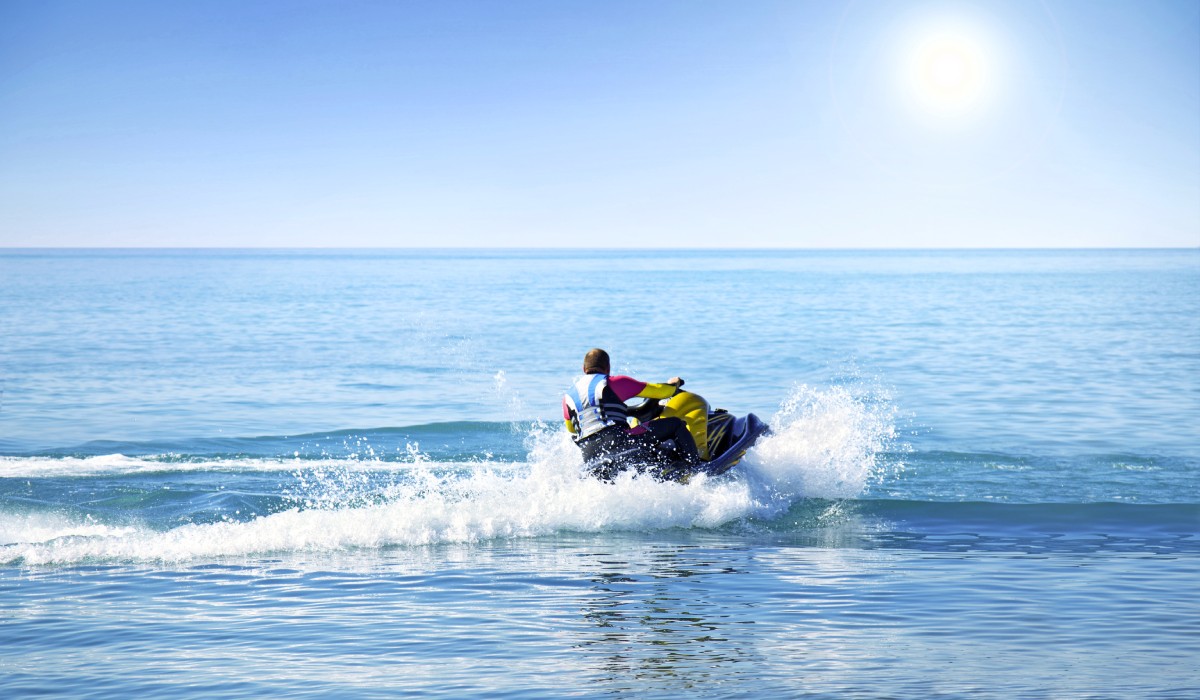
Summer in the Carolinas offers a specific kind of magic, especially when you trade the humid city streets of Charlotte for the open water. Whether you plan to launch on the vast expanse of Lake Norman, navigate the twists of Lake Wylie, or head east to the Intracoastal Waterway, a personal watercraft (PWC) provides an adrenaline rush like no other.
While these machines look effortless to operate from the shoreline, mastering them requires respect for the machine and the water. Read through this guide for new jet skiers and learn a few tips and tricks on the water.
Prioritize Safety Gear Before You Launch
Your day starts at the dock or the trailer. Before the engine even turns over, you need the right equipment. North and South Carolina enforce strict regulations regarding life jackets, and for good reason. You must wear a US Coast Guard-approved personal flotation device (PFD) at all times. This does not mean stowing it in the storage compartment; it means having it secured to your body.
Beyond the legal requirements, eye protection makes a massive difference. At 40 or 50 miles per hour, hitting a raindrop or a bug feels like taking a pebble to the face. Polarized sunglasses with a strap or specialized riding goggles will protect your eyes from spray and glare, allowing you to spot obstacles in the water much faster.
The Golden Rule: No Throttle, No Steer
The most counterintuitive aspect of riding a PWC creates the most danger for beginners. Jet skis use a jet of water shooting out the back to propel and steer the vessel. When you turn the handlebars, you change the direction of that water jet.
If you release the throttle completely, you stop the water jet. Without that thrust, turning the handlebars does nothing. You will continue moving in your original direction due to momentum, regardless of how hard you crank the steering.
New riders often panic when they see an obstacle or a dock. Their instinct screams to let go of the gas and turn away. This is the wrong move. To avoid a collision, you must keep applying throttle while you turn. It takes practice to overcome the muscle memory of driving a car, where letting off the gas helps you turn. On a jet ski, you must accelerate to evade. Practice this concept in open water away from other boaters until it becomes second nature.
Mastering the Braking and Stopping Distance
Stopping a PWC requires plenty of room. Unlike a boat with a propeller that can reverse quickly to slow down, older jet skis rely entirely on friction with the water to stop. You let off the gas, and the hull drag slows you down. This process can take over 300 feet depending on your speed.
Newer technology has changed the game slightly. Many modern manufacturers include intelligent braking and reverse systems. These systems deploy a bucket behind the jet nozzle to redirect thrust and slow the craft down rapidly. You should learn more about jet ski braking systems specific to the model you rent or own, as the stopping power varies significantly between brands.
Understanding Wakes and Waves
Crossing a wake—the waves created by other boats—provides the jumps and airtime that thrill-seekers love. However, hitting a wake improperly can toss you from the ski or cause back injuries.
The trick here is all in your stance. Never sit down when conquering rough water or crossing wakes. Your legs are the best suspension system you have. Stand up slightly, keeping your knees bent and flexible. This absorbs the shock of the impact. If you sit, your spine absorbs that energy, which leads to soreness or injury.
When approaching a large wave, tackle it at a 45 degree angle rather than head-on. This keeps the hull stable. Hitting a large wake straight on sends the bow skyward and can result in a hard, flat landing.
The Art of Reboarding
Falling off represents a rite of passage for every rider. It happens to experts and novices alike. The difference lies in how they get back on. Panic makes reboarding exhausting and difficult.
When you hit the water, check your surroundings first to make sure no other boats are bearing down on you. Then, swim to the rear of the jet ski. Never try to pull yourself up from the side; you will flip the machine over on top of you.
Follow these steps for a smooth recovery:
- Locate the reboarding handle or grip at the back of the seat.
- Reach up and grab the handle with both hands.
- Pull your body toward the ski and plant your knees on the rear deck (swim platform).
- Avoid kicking your legs under the hull; kick outward to generate lift.
- Once your knees are on the platform, stay low.
- Crawl forward to the seat before you attempt to stand up.
Navigation and Waterway Etiquette
Lakes like Wylie and Norman get crowded, especially on holiday weekends. Treating the water like the Wild West puts everyone at risk. You must understand the basic rules of the road—or rather, the water.
In a crossing situation, the vessel on the right has the right of way, just like a four way stop in a vehicle. If you approach another boat head-on, both vessels should steer to the right to pass safely. However, a PWC is more maneuverable than almost anything else on the water. It’s courteous and smart to yield to larger boats, sailboats, and anyone towing a skier or tuber.
Handling Passengers
Adding a passenger changes the physics of the jet ski entirely. The extra weight raises the center of gravity, making the craft tippy and less responsive.
If you carry a passenger, you become responsible for their safety. Brief them before you leave the dock. Tell them to hold on to your life jacket straps or the seat handles, not your arms. If they hold your arms, they restrict your steering.
Embrace the Experience
Riding a jet ski offers a unique perspective of the beautiful Carolina landscape. You can explore coves inaccessible to larger boats and feel the spray of fresh water on a hot July afternoon. By focusing on these fundamental skills—throttle control, safe distances, and proper stance—you move past the anxiety of operating a new machine and get straight to the enjoyment.
Keep your head on a swivel, respect the power of the engine, and enjoy the ride. What are you most excited for as a new jet skier? Use these tips and tricks this summer for a good time.


Leave a Reply